

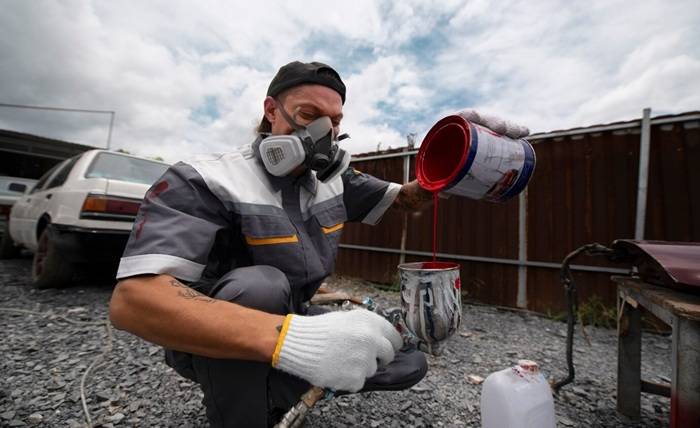
Rust and corrosion are the nemeses of metal surfaces and machinery. Whether it’s tools, cars, or outdoor furniture, rust isn’t just an eyesore—it can weaken structural integrity and shorten the lifespan of your investments. While rust removers are a popular solution, the best results often come from pairing them with additional protective measures.
This guide takes a closer look at how to effectively remove rust and keep it from coming back. You’ll learn about the importance of combining rust removers, the best rust penetrant sprays, and other techniques to protect your tools, vehicles, and equipment for the long haul.
Why Rust Prevention Matters
Rust isn’t just a cosmetic issue; it’s a chemical process that deteriorates metal surfaces over time. Left untreated, rust can eat away at the metal to weaken its structure, making tools unusable or causing expensive machinery to fail. For industries ranging from construction to automotive repair—or just general homeowners—the cost of ignoring rust can be staggeringly high.
Preventing rust not only saves you money on replacements, but it also ensures that your equipment and tools continue to operate efficiently. A combination of rust removal and preventive measures will help you tackle the problem at both ends—removing damage that has already occurred and stopping future corrosion.
The Role of Rust Removers
Rust removers are products designed specifically to dissolve rust and corrosion on metal surfaces. They work by chemically reacting with rust, breaking it down so it can be wiped away easily without significant scrubbing.
How Rust Removers Work
-
Acid-Based Solutions: These products use acids like phosphoric or oxalic acid to dissolve rust chemically.
-
Chelating Agents: Chelators bond with iron oxide (rust) to break it apart, an environmentally friendly option ideal for delicate metals.
-
Electrolytic Rust Removal: A more technical approach using electrical current to remove rust from iron and steel.
Modern rust removers are simple to use and highly effective, making them the first step in your fight against corrosion.
Finding the Right Rust Remover for Your Needs
Choosing the right rust remover depends on what you’re working on. For example, tools or machinery require a stronger solution like an acid-based remover, while delicate household items may need a gentler chelating product. Look for products with fast reaction times and minimal scrubbing effort to maximize efficiency.
Why You Should Add Protective Measures
While rust removers are excellent at targeting existing rust, they cannot prevent it from forming again. This is where protective measures come into play. Adding these steps will create a barrier against moisture, oxygen, and other elements, which are the primary causes of rust.
Combining a Rust Remover with the Best Rust Penetrant Spray
Rust penetrant sprays deserve special mention for their dual-use capabilities. Not only do they loosen stuck parts and fasteners, but they also provide a protective coating to prevent further rusting.
The Best Rust Penetrant Spray Features to Look For
-
Lubrication: Ensures smooth function of moving parts.
-
Corrosion Protection: Prevents future exposure to rust-causing elements.
-
Fast Acting: Reduces waiting time for application and penetration.
Some superior rust penetrants combine these features for all-in-one functionality, making them ideal partners for rust-removal processes.
Additional Protective Measures for Lasting Results
1. Clean and Seal the Metal Surface
After using a rust remover, clean the surface thoroughly to remove any remaining residues. Apply a high-quality metal sealant to lock the treated surface under a protective layer, reinforcing its defense against moisture exposure.
2. Apply an Anti-Corrosive Coating
Choose a specialty anti-corrosion spray or paint to coat larger items like vehicles, fences, and machinery. These coatings repel water and prevent the oxidation process from starting.
3. Use Silica Gel or Rust-Inhibitor Bags
For smaller tools and stored equipment, add silica gel packs or rust-inhibitor bags to absorb moisture and maintain a dry environment. This method is particularly effective for long-term storage.
4. Choose Weatherproof Covers
For outdoor equipment, opt for waterproof covers to shield items from rain, snow, and humidity. This simple step drastically reduces the risk of rust forming over time.
5. Routine Maintenance
Prevention is an ongoing effort. Regularly check metal surfaces for signs of corrosion and reapply protective coatings or sprays as needed. Using rust penetrant sprays during inspections can help loosen stuck components while keeping them protected.
Pro Tips for Rust Prevention Success
-
Use products as per manufacturer instructions to ensure optimal effectiveness.
-
Store tools and machinery properly in dry, ventilated spaces.
-
Invest in quality rust removers and penetrants—the right product will save you significant effort in the long term.
Stop Rust in Its Tracks
Successfully combating rust isn’t just about removing damage—it’s about proactively preventing it from returning. By combining an effective rust remover with other key protective measures like the best rust penetrant spray and sealing products, you can protect your tools, machinery, and surfaces for years to come.